
A wish to plant trees
Zhao Bangheng planted camellias with a wish to leave woodland for future generations and make pure, natural camellia oil.
From preparing the hills in 2009 to caring for trees each day, that wish became a lasting commitment.
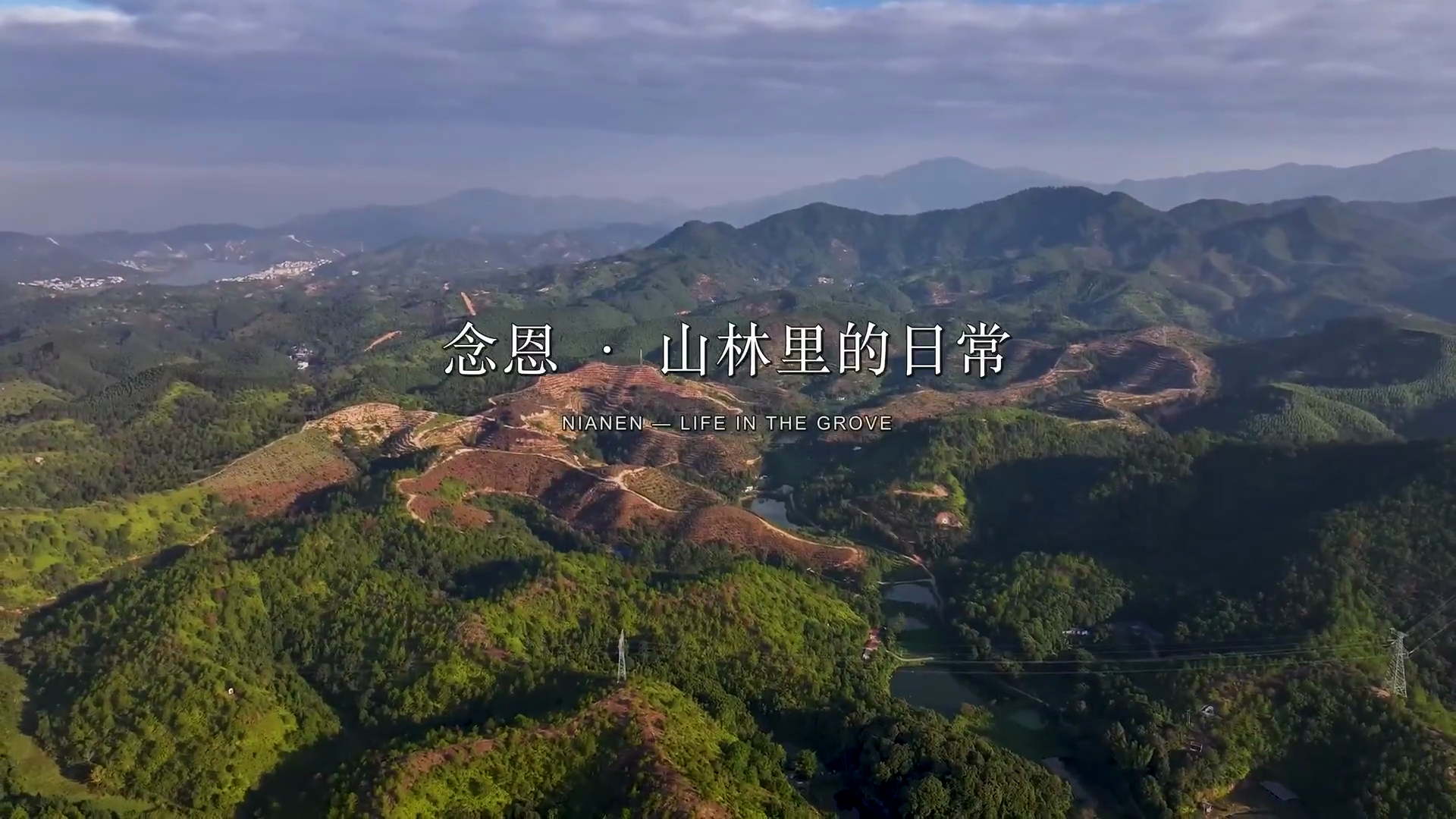
Daily life beside the grove
Hillside paths, work vehicles and buildings accompany the daily work of the grove.
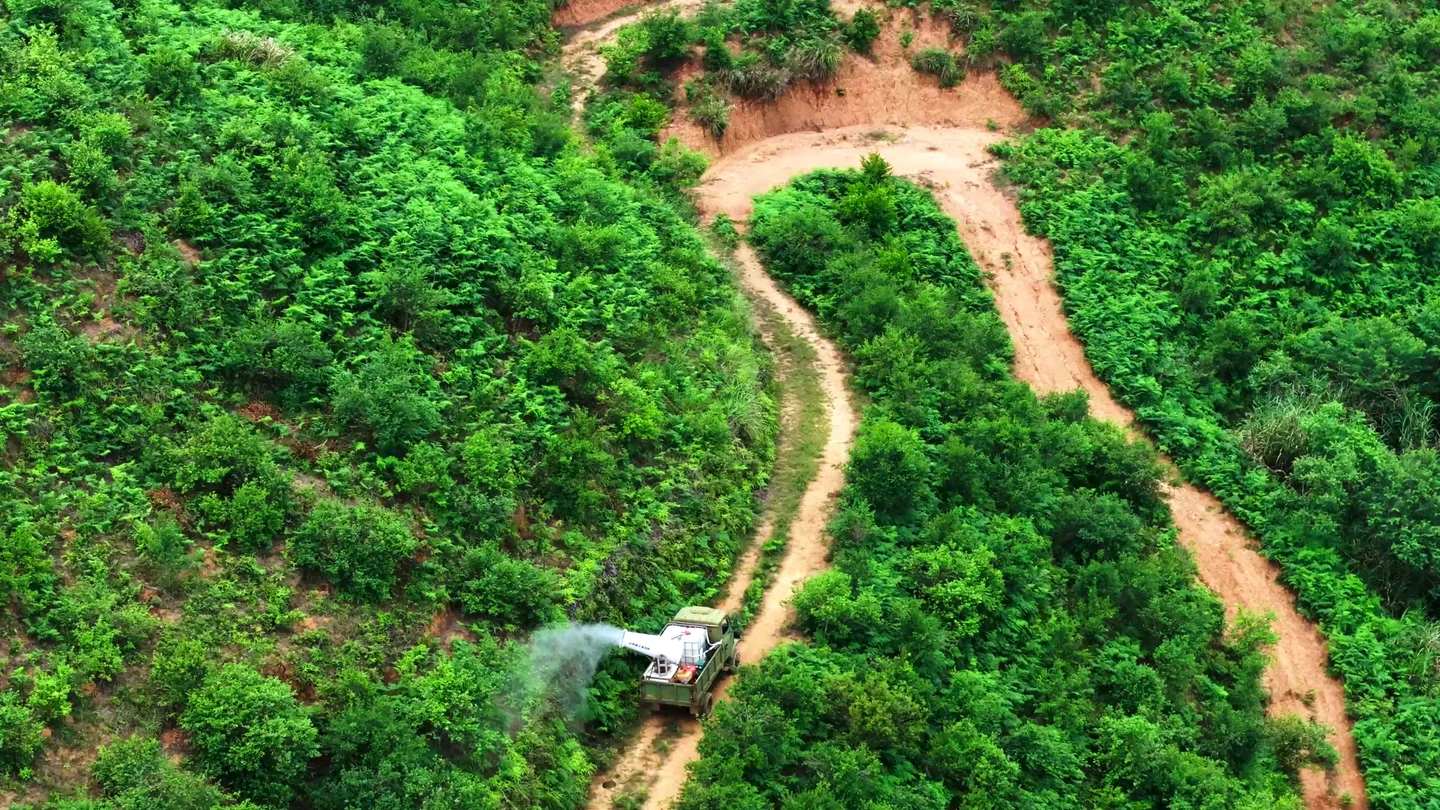
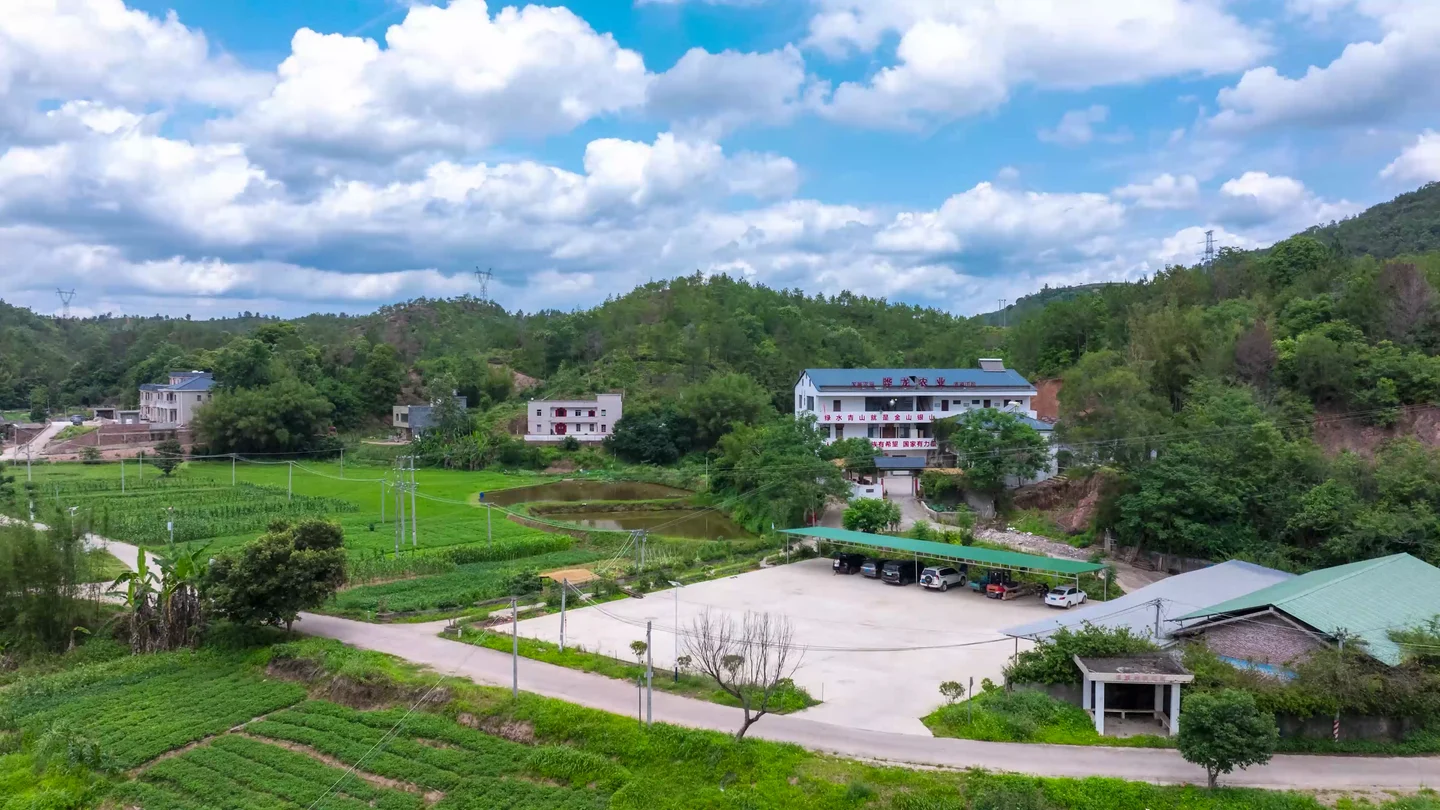
The man who plays music for trees
Zhao Bangheng plays music for the camellia trees. Weeding by hand, tending the soil and accompanying their growth are part of his everyday care for the woodland he hopes to leave to future generations.
The name and the emblem
Nianen carries a sense of gratitude for family and a wish to return that care.
Our emblem, a mother holding a child, expresses gratitude for the care of our parents and, above all, for the nurture of Mother Earth. Respect for parents and teachers, and gratitude returned in kind, are values we cherish.
A tree in the grove and a bottle on the family table bring those values into everyday life.

A woodland undertaking begun in 2009
Yeloong Agriculture began developing its camellia-oil base in Longchuan, Guangdong, in 2009, investing RMB 55 million in breeding, planting and woodland care. The development covered 27 previously uncultivated hills and 1,685 mu of camellia woodland.
Land preparation began in 2009 and planting in early 2010. Years of weeding, soil care and harvesting connect this woodland to Nianen oil.
The Grove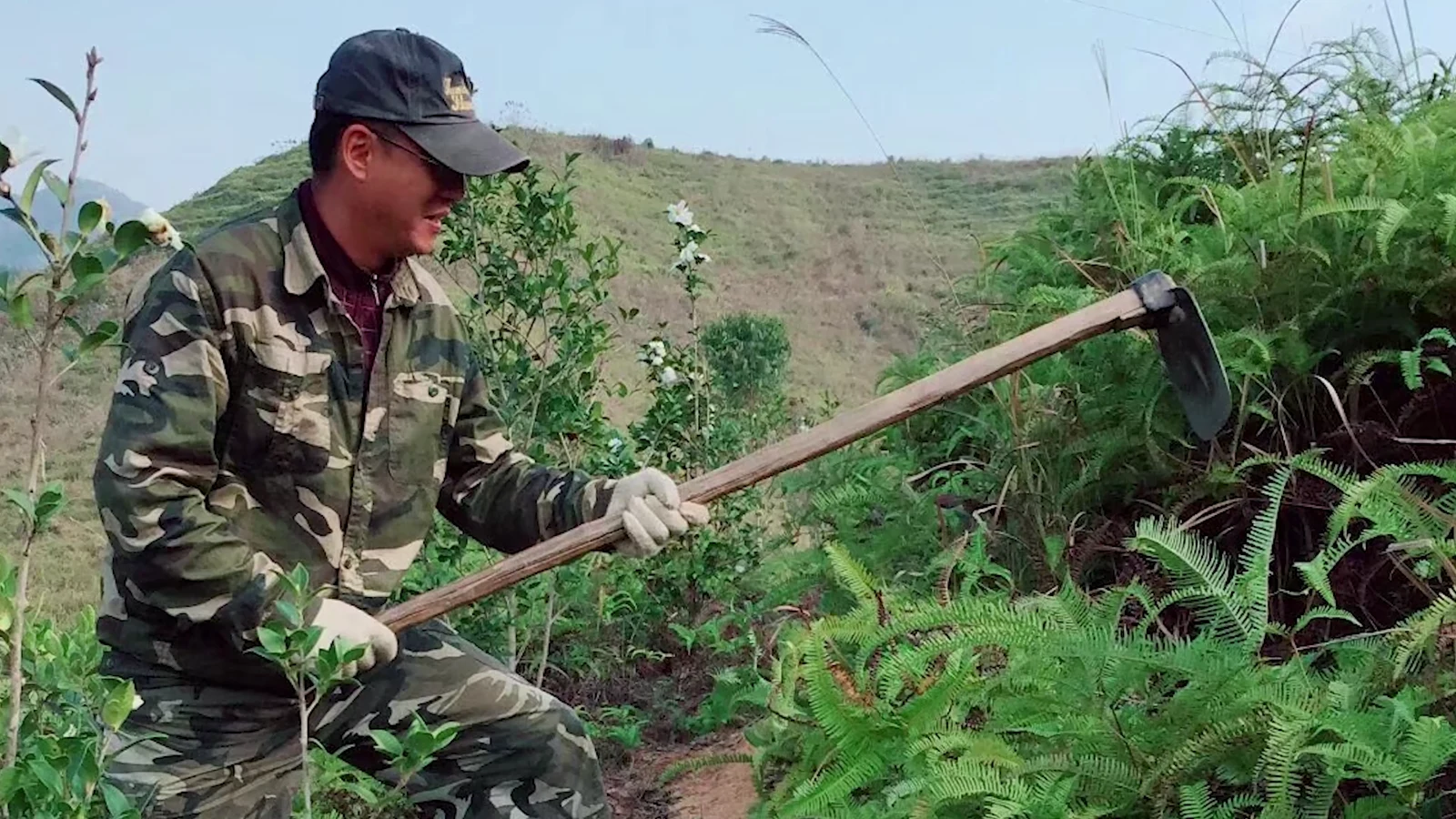
Video Transcript
At first, I knew very little about camellia oil. Someone in the county was working on investment promotion. I asked him, "What is camellia oil?" It made me think: we may live for a hundred years, but we can leave a grove for generations to come. That was something else I wanted to do. In 2009, we began clearing the hillside. We started planting in early 2010. After planting, weeds covered the young trees. My intention was to protect this soil. So I kept to weeding by hand. After two years, those shareholders stopped. They told me to carry on by myself. I kept going, making sure the weeds would not overtake the trees. We also use a preparation called "jiaosu" on the soil. Each year, we spray "jiaosu" across the hillside. Another part of how I care for the grove: I play music for the trees. Weeding by hand, applying "jiaosu", and playing music for the camellia trees. These are the things we focus on in the grove. We harvest within five days before or after Frost's Descent. That is our prime harvest window. We want the fruit to stay on the trees a little longer. So I begin harvesting after Frost's Descent. I hope to give the seeds more time on the tree to take in more nutrients. The harvested fruit is first piled in a shaded place. We leave it there for five days. The fruit shells split open. Three to five days after the shells split, we spread the fruit out in the sun. After another three days in the sun, the shells have opened up. People from the local community help us sort the camellia seeds. The sorted seeds are spread out in the sun again. We dry them for another three to five days, until they are thoroughly dry. Once dry, we store them in a cool, well-ventilated place for two months. After two months in storage, we prepare the material again. We check the seeds for mold. For pressing, we use a traditional method. A grinder runs very fast, and that can change the seeds. After grinding, the seeds are steamed. We steam the seeds over a wood fire. After steaming, we let the seeds cool down. Once the moisture has dried off, we can form the seed cakes for pressing. We use rice straw for these pressing cakes. We then press the seed cakes mechanically. That is our oil-making process from start to finish. I said, "This is what I want to do."