
Camellia oil: from seed to kitchen
Read about ingredients, nutrition labels and cooking, then explore personal-care formulations and seed-cake use. Discover the wider connections between camellia and everyday life.
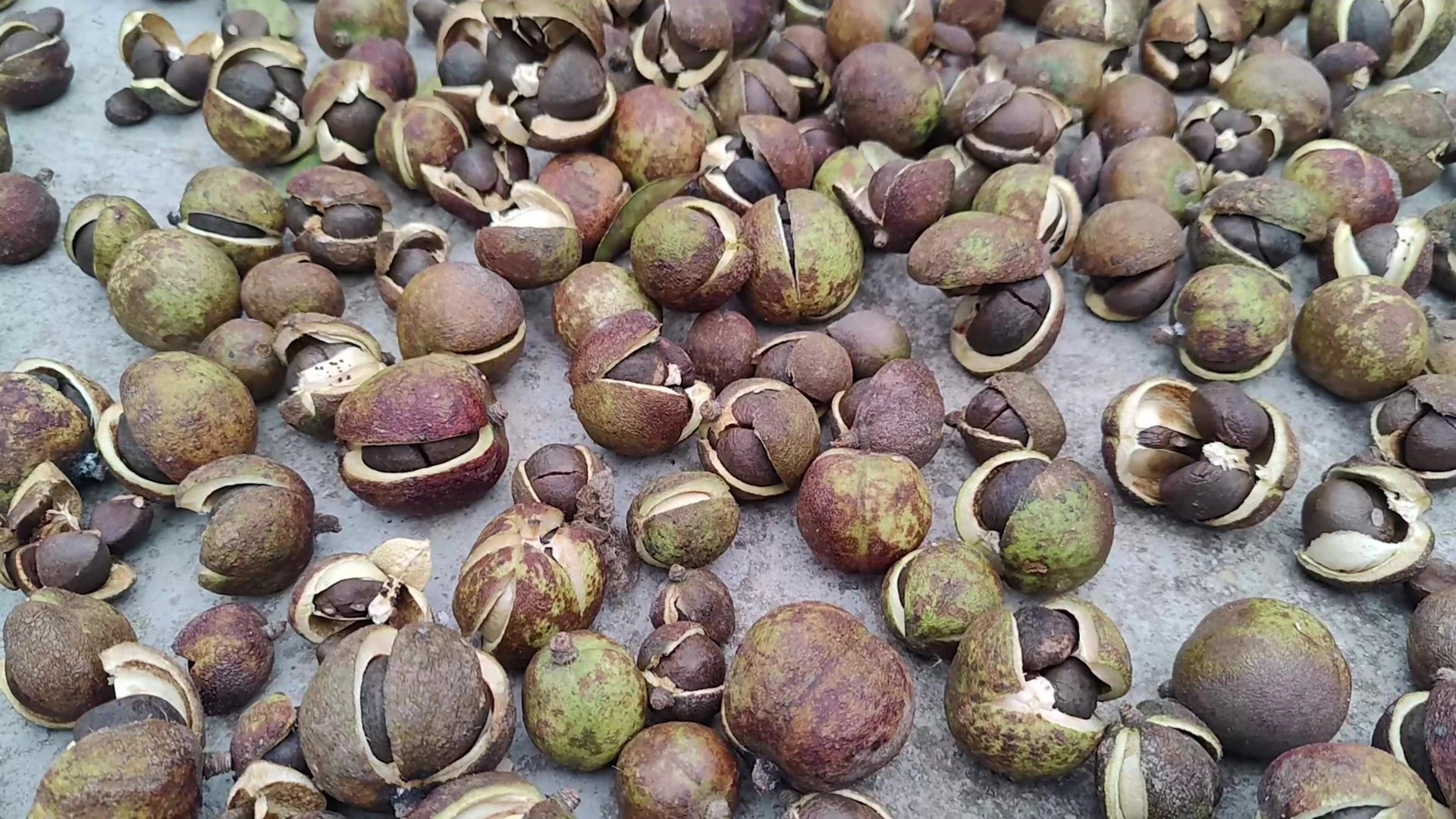
Start with the seed
Nianen camellia seed oil is made from oil-tea camellia seeds. The oil-tea plant differs from the tea plant grown for leaves; oils from their seeds should be distinguished by the raw-material name.
Reading fatty acids and vitamin E
Oleic acid is the main fatty acid in camellia oil and is monounsaturated. The oleic-acid range is 74–87%, and the linoleic-acid range is 7–14%.
Vitamin E is a fat-soluble nutrient with antioxidant activity. Consider oil choice and quantity alongside a varied diet.
The table shows nutrition information per 100 g. NRV% means percentage of the nutrient reference value.
References
| Item | Per 100 g | NRV% |
|---|---|---|
| Energy | 3700 kJ | 44% |
| Protein | 0.0 g | 0% |
| Fat | 100.0 g | 167% |
| — Saturated fat | 11.0 g | 55% |
| — Unsaturated fat | 89.0 g | — |
| Cholesterol | 0 mg | 0% |
| Carbohydrate | 0.0 mg | 0% |
| Sodium | 0 mg | 0% |
| Vitamin E | 8.40 mg | 60% |
NRV% means percentage of the nutrient reference value; “—” means not listed.
Read the label with everyday cooking in mind
When choosing oil, check the material, process, production date and storage directions. Chinese health guidance recommends 25–30 g of all cooking oils combined per adult per day; measure before pouring.
Nianen camellia seed oil is traditionally pressed in Longchuan, Guangdong, with a 24-month shelf life. Check the bottle or container for the production date and batch, and follow its storage directions after opening.
References
Steamed dishes, soups and family meals
Camellia oil can add flavour to steamed dishes, soups and home cooking. Add a small measured amount at the finish, or use it in cooking as directed on the label.
Count each addition towards the day’s total oil use. Steam or boil more often, fry less, and measure before pouring.
References
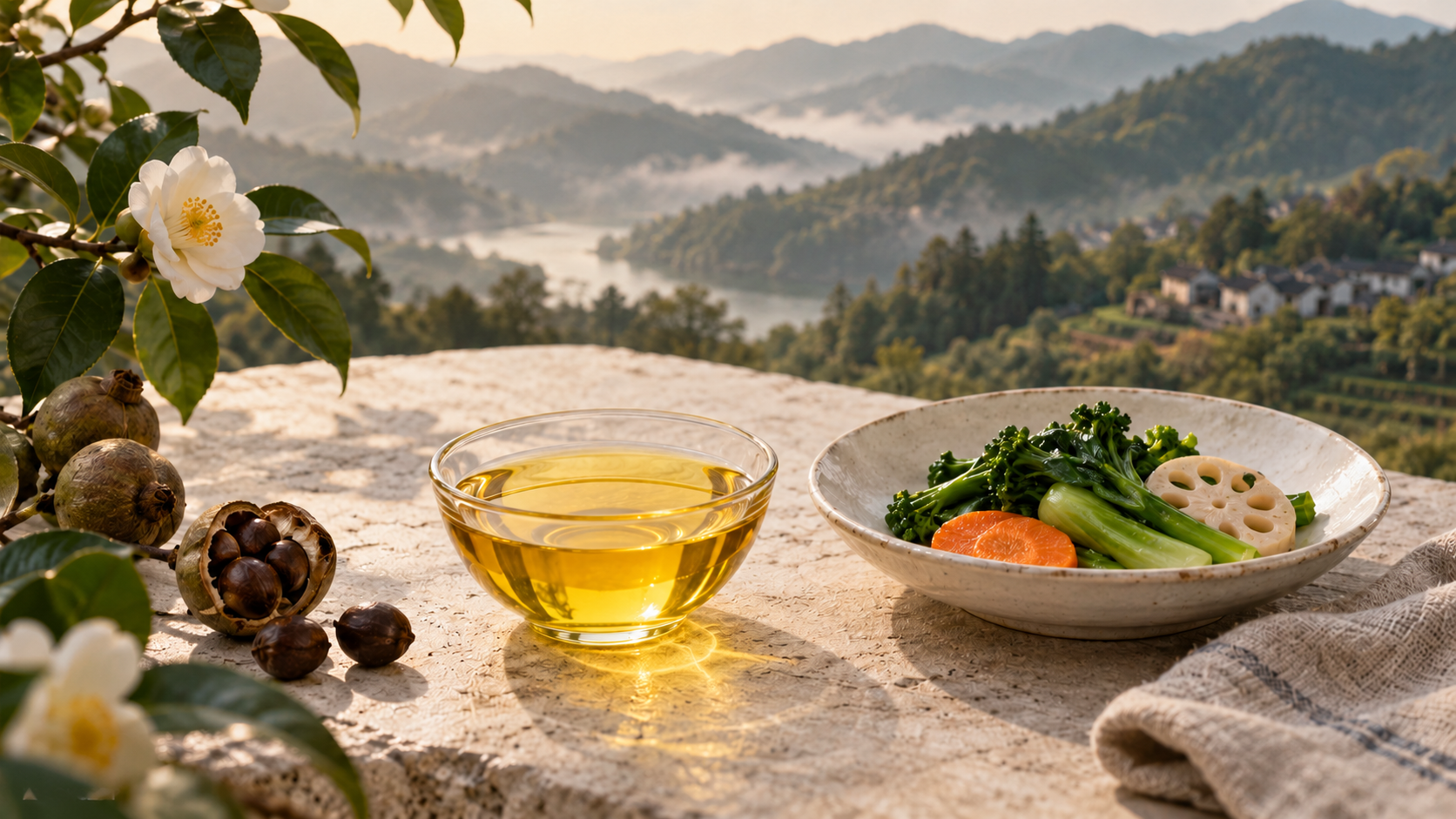
Read the label and store with care
Follow the bottle’s storage instructions, production date, shelf life and guidance after opening.
Keep cooking oil in a cool, dark, dry and ventilated place, away from the stove, other heat sources and direct sunlight. Close the cap after each use and use it promptly after opening.
A plant oil in skin- and hair-care formulations
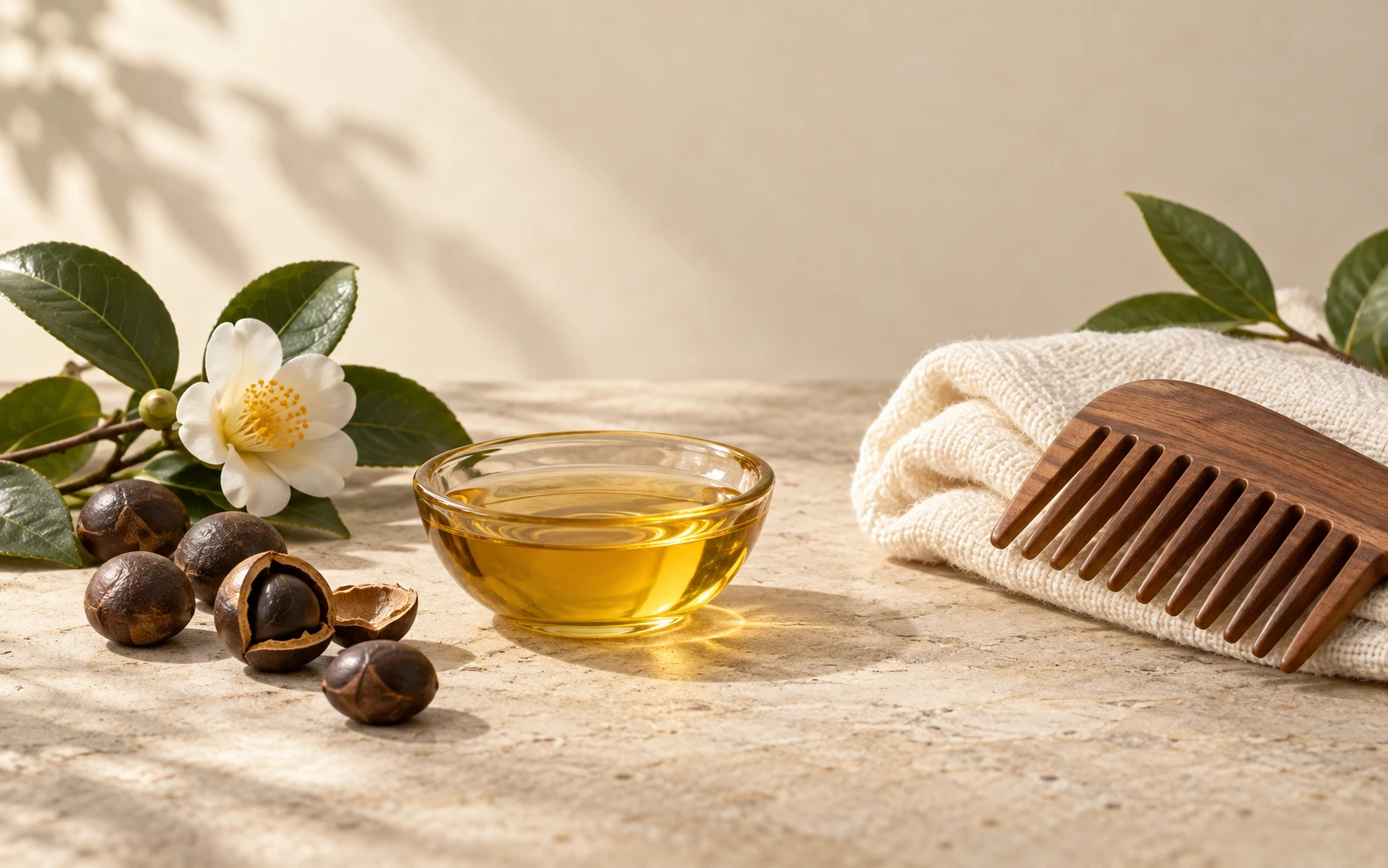
Camellia seed oil can be used as an emollient and skin-conditioning ingredient in skincare formulations, supporting a soft, moisturised feel. It is also used in hair-care formulations.
CAMELLIA OLEIFERA SEED OIL is its ingredient name. Choose a suitable formulation and follow the finished product’s directions.
Seed cake, meal and cleaning applications
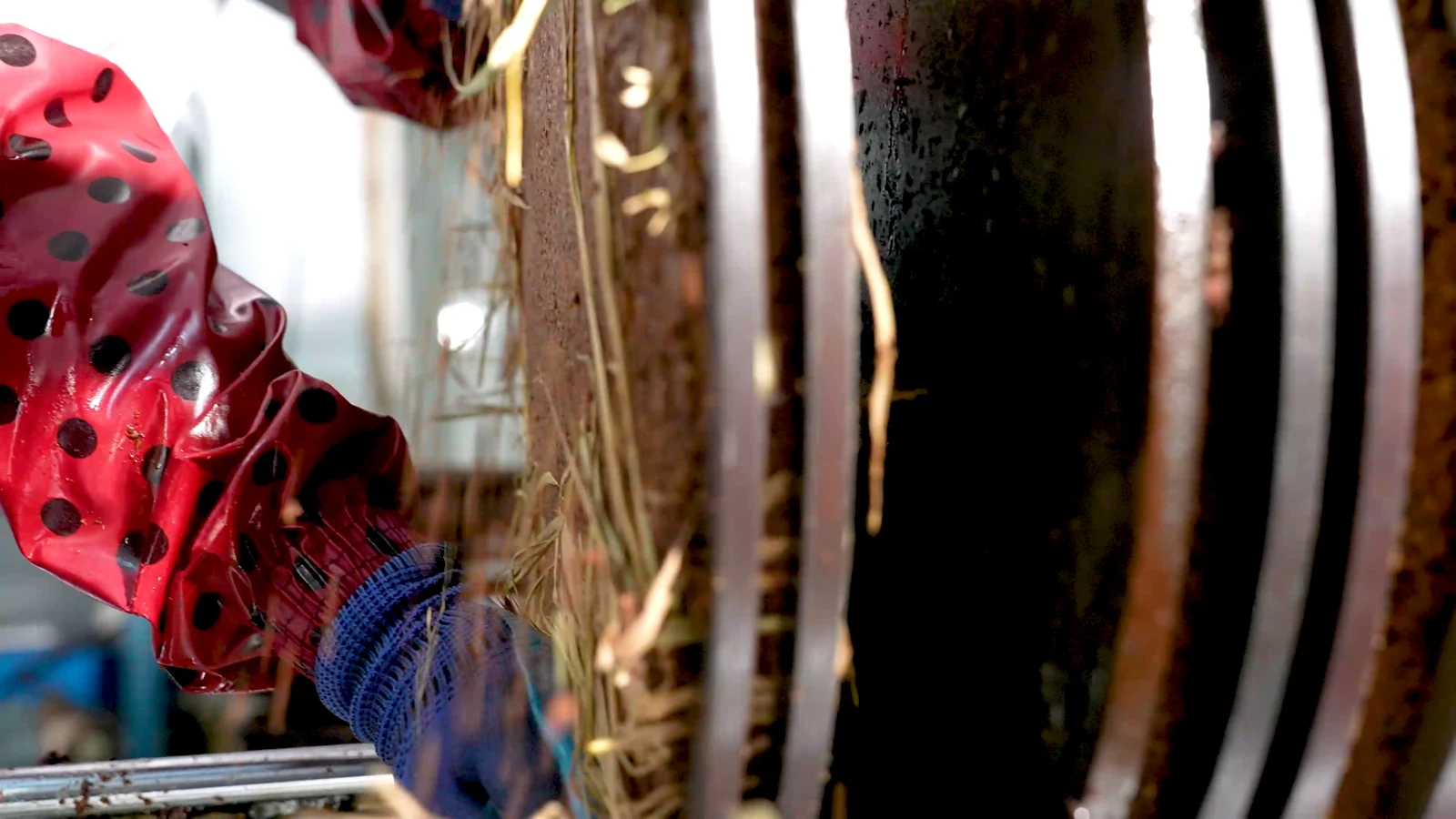
After pressing, camellia seed cake still has uses. Tea saponins extracted from the cake have cleansing, foaming and emulsifying properties for cleaning, shampoo and other household products.
From seed oil to seed-cake uses, camellia connects with daily life in many ways.
Traditional medicinal records and anti-inflammatory research
Traditional uses of tea oil include skin and hair care, and soothing skin after insect bites.
The inflammation-related activity of camellia-oil ingredients is also studied for care formulations. A 2024 in-vitro experiment found that pressed camellia seed oil and oil-containing emulsions reduced inflammation-related nitric oxide production in mouse macrophages. The study used a cell model.